Zero-Waste Living

Practical notes on household ecology in Poland

A reference for reducing daily waste, navigating selective collection, and choosing reusable alternatives — with a focus on Polish cities and regulations.

Updated May 2026

Zero-waste bulk goods section in a shop

Recent topics

Colour-coded recycling bins for waste sorting
Sorting Guide

Guide to Selective Waste Sorting in Poland

Polish municipal rules require sorting into five streams. This guide explains which container each material belongs in and what happens when sorting goes wrong.

May 2026

Key areas of household ecology

The following topics cover the main points of entry for reducing environmental impact in a Polish household context.

Selective sorting

Poland introduced a mandatory five-stream sorting system in 2019. Understanding which bin accepts which material is the starting point for proper waste management.

🌿

Composting

Kitchen and garden organic waste makes up a substantial portion of household rubbish. Composting — at home or through municipal bio-waste collection — keeps it out of landfill.

🛍

Conscious shopping

Choosing products with less packaging, buying in bulk, and using reusable containers reduces waste before it enters the home — the most effective point of intervention.

Plastics reduction

Single-use plastic items banned under EU Directive 2019/904 include many everyday products. Replacements are widely available in Polish shops and online.

🔥

Hazardous waste

Batteries, electronics, medicines, and chemicals require specific disposal routes. Each Polish municipality operates at least one point of selective collection (PSZOK).

📅

Food waste

Planning purchases, using proper storage, and understanding date labels can meaningfully reduce the amount of food that ends up discarded in a typical household.

Waste management in Poland

Poland's municipal waste legislation is aligned with EU directives. The Regulation of the Minister of Climate of 2 January 2020 specifies five mandatory collection streams: paper, glass, plastics and metals, bio-waste, and residual waste.

Each municipality operates a Punkt Selektywnej Zbiórki Odpadów Komunalnych (PSZOK) — a fixed collection site accepting items outside the standard bin system, including bulky waste, hazardous materials, and electronics.

The EU Packaging and Packaging Waste Regulation introduces extended producer responsibility requirements that will increase the recycled content in packaging placed on the Polish market through the late 2020s.

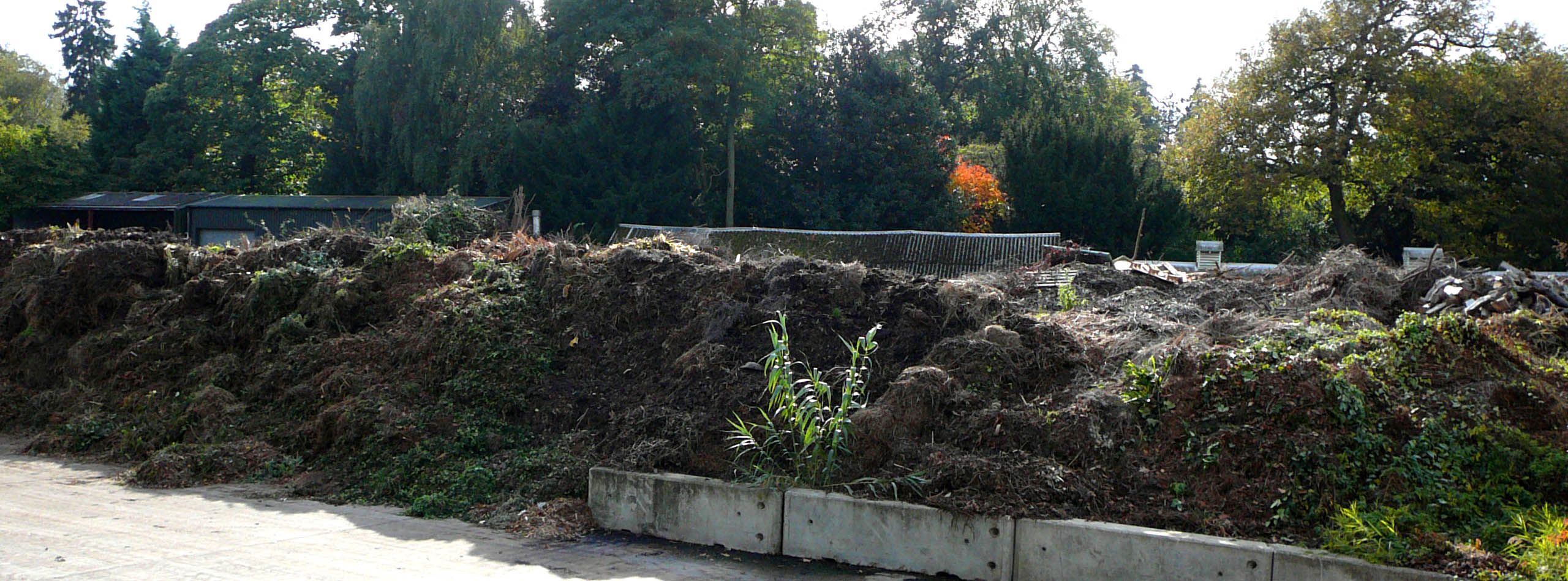
Compost heap in a garden

Home composting reduces bio-waste volume before collection. Source: Wikimedia Commons.