
Starting with a waste audit
Before making changes, it helps to know what you are actually discarding. A household waste audit involves collecting all rubbish over one or two weeks, then sorting and recording it by material type. The exercise commonly reveals that food scraps and packaging account for the majority of volume — findings consistent with data published by the Central Statistical Office of Poland (GUS), which tracks municipal waste composition across the country.
The audit does not require specialised equipment. A set of labelled bags and a kitchen scale are sufficient. Categories worth tracking separately include: food waste (cooked and raw), packaging (plastics, cardboard, glass), paper (print, tissue), and residual items that do not fit elsewhere.
Note: Polish law requires households to sort waste into five streams. An audit helps identify which streams you generate most, making it easier to plan storage space and adjust shopping habits.
Where household waste comes from in Poland
Polish households generate an estimated 300–350 kg of municipal waste per person annually, according to GUS figures for recent years. The composition varies by household size and location — urban residents typically generate more packaging waste due to higher rates of packaged food consumption, while rural households often produce more garden and food organic waste.
Food waste
Food thrown away without being eaten represents one of the largest reducible categories. Common causes include over-purchasing, poor storage, and misreading date labels. In Polish supermarkets, the label "najlepiej spożyć przed" (best before) indicates quality, not safety — products past this date are not necessarily unsafe to consume. The label "należy spożyć do" (use by) carries a stricter meaning and should be observed.
Reducing food waste starts with structured shopping: making a list based on planned meals, buying loose produce rather than pre-packaged quantities, and using the oldest items in the fridge first. Cooked leftovers that will not be eaten within two days can be frozen immediately rather than left to spoil.
Single-use packaging
Packaging — especially plastic — is the second major category. EU Directive 2019/904 on single-use plastics, implemented in Poland through the Act of 11 August 2021, restricts or bans a range of single-use plastic items including plates, cutlery, straws, and expanded polystyrene containers for food and beverages.
Practical substitutions available in Polish shops include: cloth bags instead of single-use carrier bags, reusable silicone or beeswax wraps instead of cling film, glass or stainless steel containers for food storage, and bamboo or metal cutlery for packed lunches.
Handling organic waste
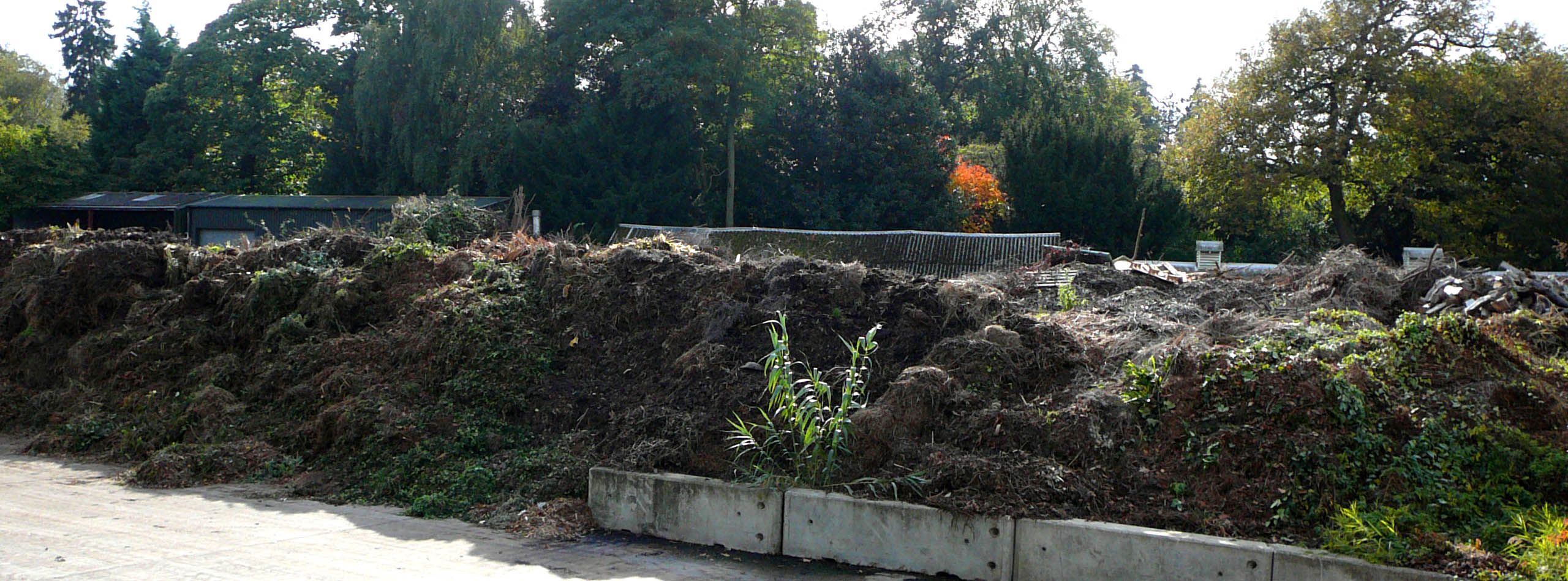
Poland's mandatory five-stream sorting system includes a separate brown bin for bio-waste. In multi-family buildings, this container is shared. In detached houses, residents have the option — and in some municipalities, the obligation — to manage bio-waste on their own property through composting.
A basic compost bin accepts uncooked vegetable and fruit scraps, coffee grounds, tea bags, eggshells, and garden material such as leaves and grass. It does not accept cooked food, meat, fish, or dairy, which attract pests and are better placed in the municipal bio-waste bin. The resulting compost can be used as soil amendment in the garden, eliminating the need for purchased fertiliser.
Apartments and composting
Apartment residents without garden access can use Bokashi fermentation, which processes all food waste including cooked items in a sealed container. The fermented output is buried in soil or added to garden compost to complete decomposition. Bokashi sets are available from Polish eco-shops and online retailers including Allegro.
Paper and cardboard
Cardboard packaging — from online orders in particular — accumulates quickly. Polish municipalities collect paper and cardboard in the blue bin. The material should be clean and dry; wet or food-contaminated cardboard belongs in residual waste.
Reducing paper waste in the first place is straightforward: opting out of printed receipts (where the cashier offers the choice), unsubscribing from printed catalogues, and switching bills and bank statements to digital formats. Most Polish banks and utilities offer paperless account management as a standard option.
Electronics and hazardous items
Small electronics, batteries, and light bulbs require specific disposal. Placing them in standard bins contaminates entire collection vehicles and is contrary to Polish law. Batteries and light bulbs are accepted at collection points inside most supermarkets and electronics shops. Old phones, laptops, and appliances can be returned to the seller under the one-for-one return obligation (regulated by the Act of 11 September 2015 on electrical and electronic equipment waste).
Each municipality operates at least one Punkt Selektywnej Zbiórki Odpadów Komunalnych (PSZOK), which accepts a wider range of materials including paints, solvents, and medicines. PSZOK locations can be found through the municipal waste management operator's website — typically available under the name of the city plus "gospodarka odpadami".
Tracking progress
Running a second waste audit six to eight weeks after making changes gives a reliable measure of progress. Comparing the weight and composition of waste against the initial audit shows which changes had the most impact. Adjustments can then be made based on the evidence rather than general assumptions.
Most households find that food waste reduction and packaging substitution together produce the largest absolute reduction in waste volume, with composting and paper reduction contributing secondary gains.
| Waste category | Polish bin colour | Common items |
|---|---|---|
| Paper | Blue | Newspapers, cardboard, office paper (clean, dry) |
| Glass | Green | Bottles, jars (without lids) |
| Plastics & metals | Yellow | Plastic bottles, food tins, aluminium foil |
| Bio-waste | Brown | Food scraps, garden waste, coffee grounds |
| Residual | Black or grey | Items not fitting other streams |